Welcome

Why this Unit? 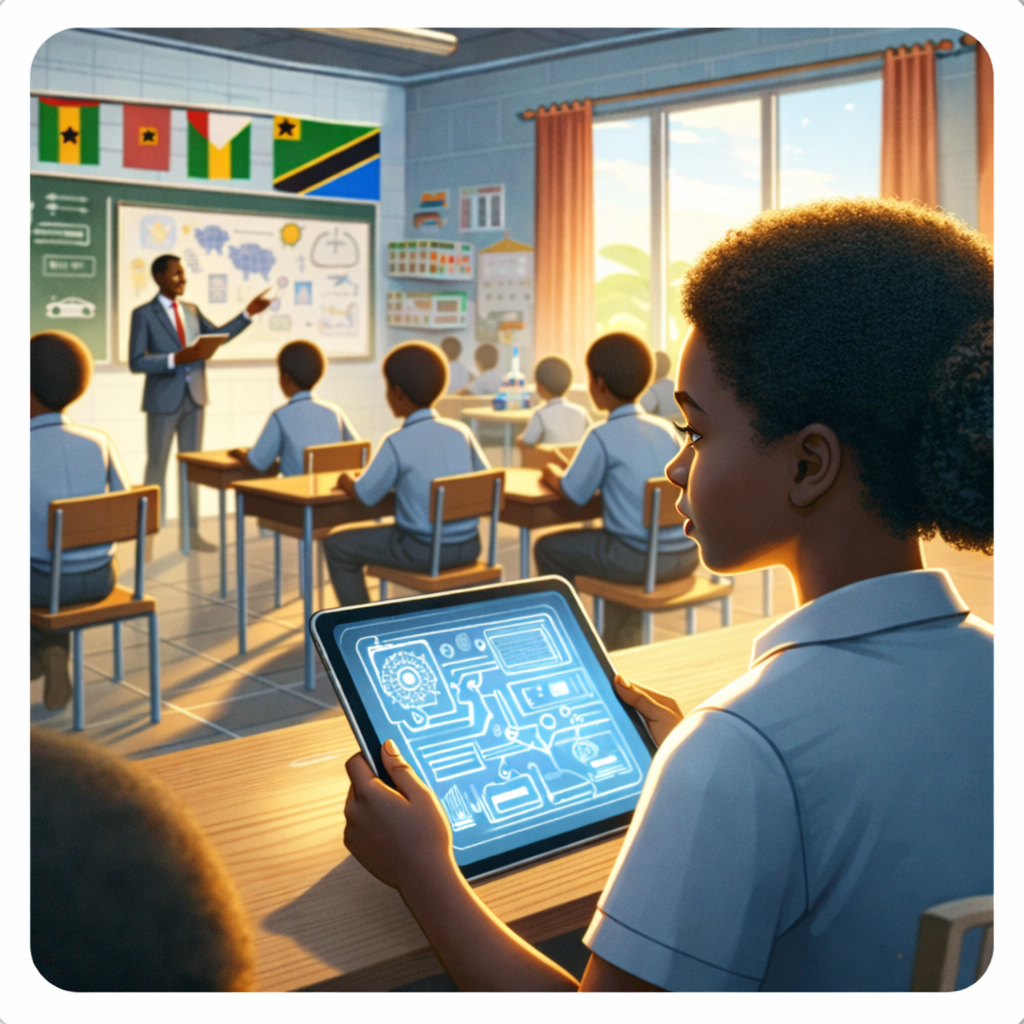
Understanding AI applications in education is essential for preparing your students to thrive in a rapidly evolving, technology-driven world. When you integrate AI tools thoughtfully, you enhance personalised learning, streamline administrative tasks, and model responsible digital innovation for your learners. Recent national documents, such as the National Education and Training Policy 2023, National Digital Education Strategy, National AI Guidelines in Education, and the National Digital Education Guidelines for Schools and Teacher Colleges, among others, emphasise the importance of adopting AI in education while upholding ethical standards, equity, and pedagogical integrity. In this unit, you will describe the concept of AI, apply AI-based tools and other emerging technologies into your teaching and learning processes, and assess the ethical, social, and pedagogical implications of AI in education. By the end of this unit, you will feel more confident selecting and using AI applications that support your teaching goals while safeguarding learner wellbeing and data privacy. The unit is designed to support you as a forward-thinking teacher who harnesses artificial intelligence responsibly to advance equitable and future ready education in Tanzania.
Unit Competencies
By the end of this unit, you will be able to:
Recommended time: 2 hours
Lesson outcomes
By the end of this lesson, you will be able to:
1. Describe the concept of AI.
2. Explain the role of AI in teaching and learning.
Read the learning materials provided in the link below.
Lesson outcomes
By the end of this lesson, you will be able to:
Read the learning materials provided below.
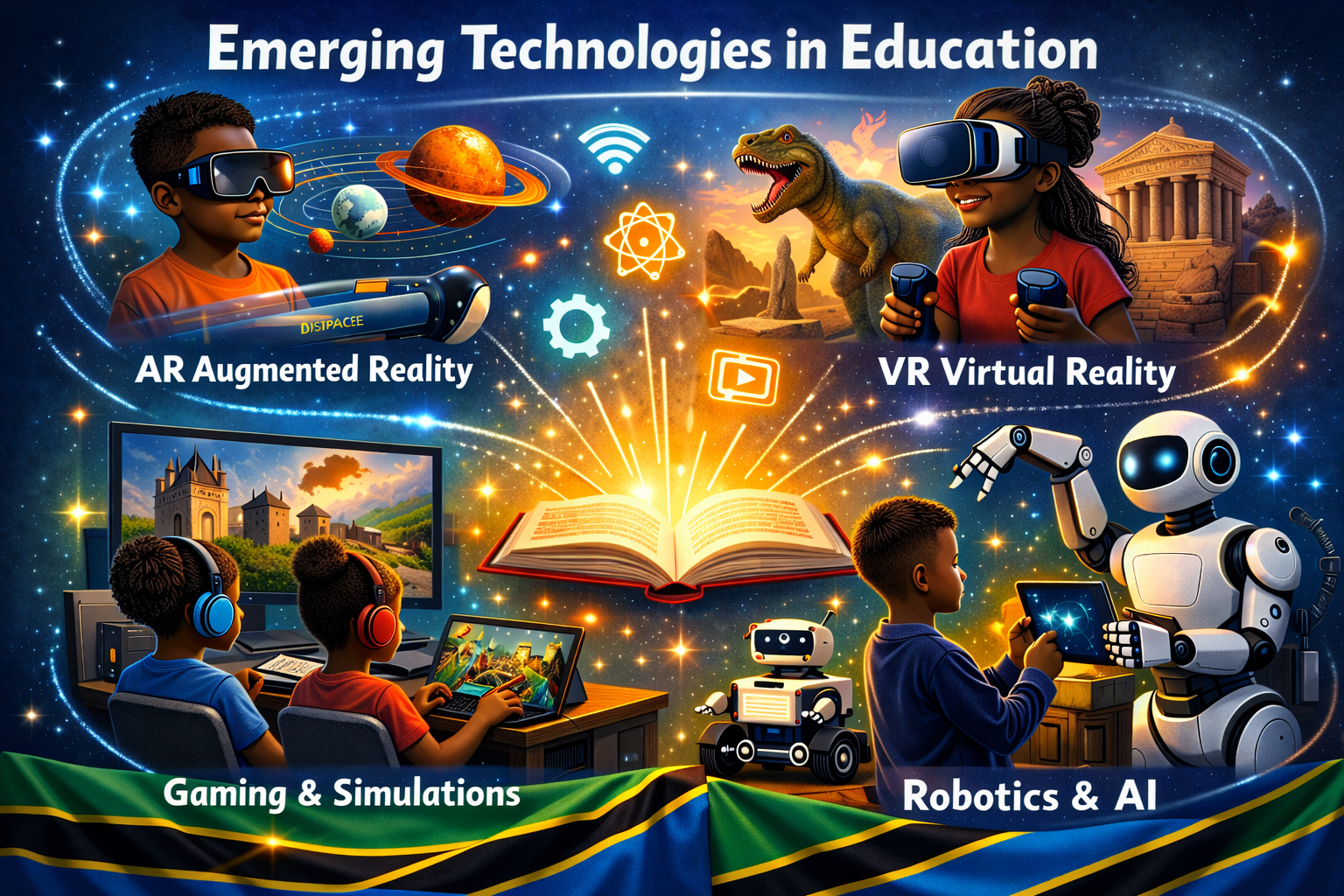
Emerging technologies such as Augmented Reality (AR), Virtual Reality (VR), educational games, and robotics are opening exciting new possibilities for teaching and learning in Tanzania. These tools can transport students into virtual science labs, bring history lessons to life, simulate real-world environments, and make abstract STEM concepts easier to understand. With AR and VR, learners can experience content instead of just reading about it; with educational gaming, they stay motivated and curious; and through simple robotics kits, even without expensive equipment, students can build problem-solving and creativity skills. This lesson will introduce you to these powerful tools and inspire ways you can begin exploring them in your classroom, school, or community step by step, even with limited resources.
Lesson outcomes.
By the end of this lesson, you will be able to:
Read the learning materials provided below.
Lesson outcomes
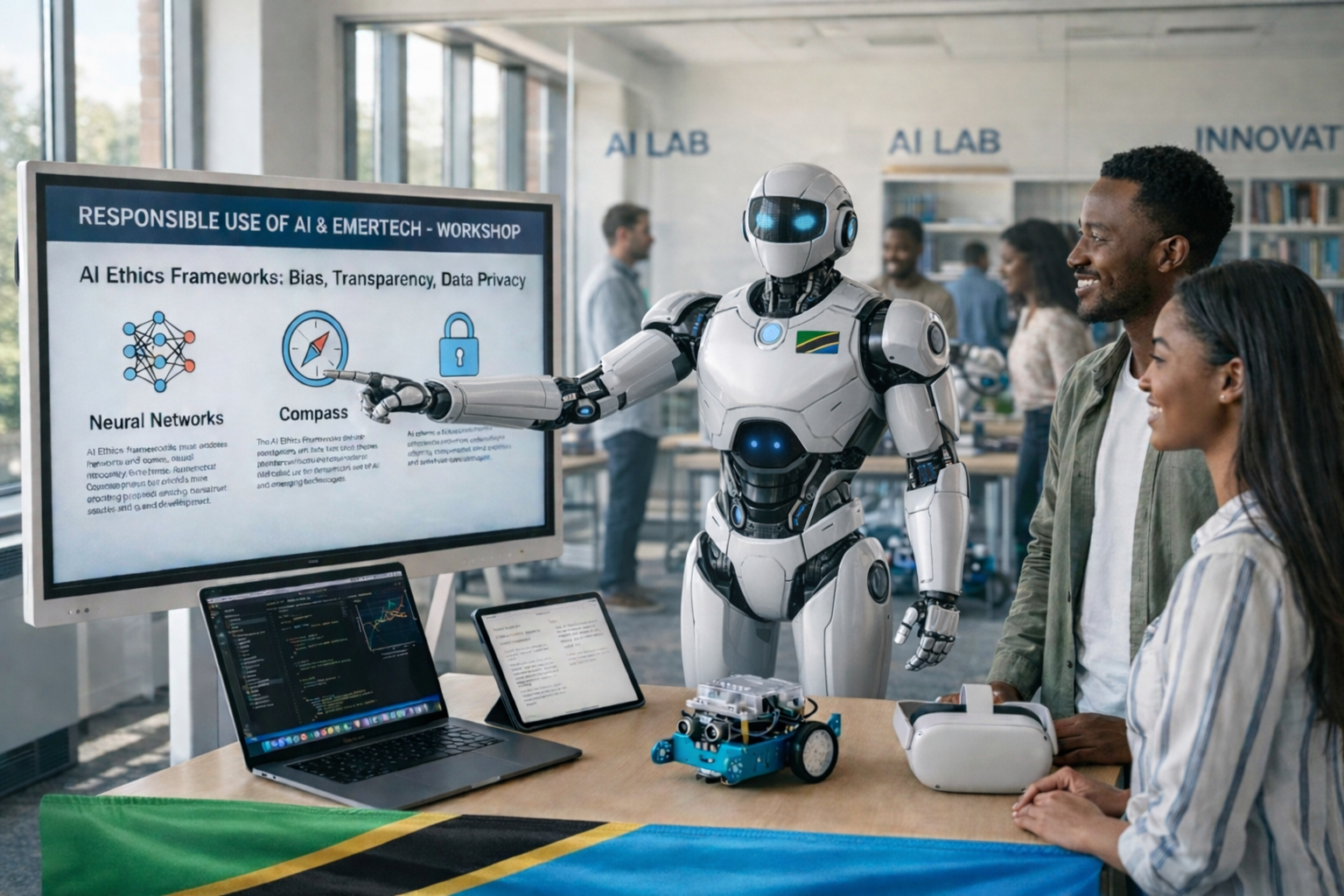
By the end of this lesson, you will be able to apply key ethical principles when working with AI.
Read the learning materials provided below.
At this point, you have covered how to describe the concept of artificial intelligence (AI), apply AI-based tools and other emerging technologies into your teaching and learning processes, and assess the ethical, social, and pedagogical implications of AI in education. It is now time to engage in discussions with other teachers and share how you are exploring and using AI applications responsibly in your classroom. Click on the Discussion Forum below and read the instructions carefully. Click on Reply and post your answers based on your learning and classroom experience. Once you have shared your post, please read contributions from your fellow teachers and reply to at least two posts to exchange ideas, practical strategies, and reflections on using AI ethically in education. Your participation helps us build a stronger community of practice and promotes thoughtful, innovative integration of AI across schools.
It is time to check your understanding of this Unit. Take a quick, friendly quiz to see how well you can describe AI, apply AI tools and emerging technologies in teaching, and assess their ethical, social, and pedagogical implications in education.


Use AI Applications in Education by Tanzanian Ministry of Education Science, and Technology is licensed under a Creative Commons Attribution-ShareAlike 4.0 International License.
Adapted OER: