Welcome
 Why this Unit?
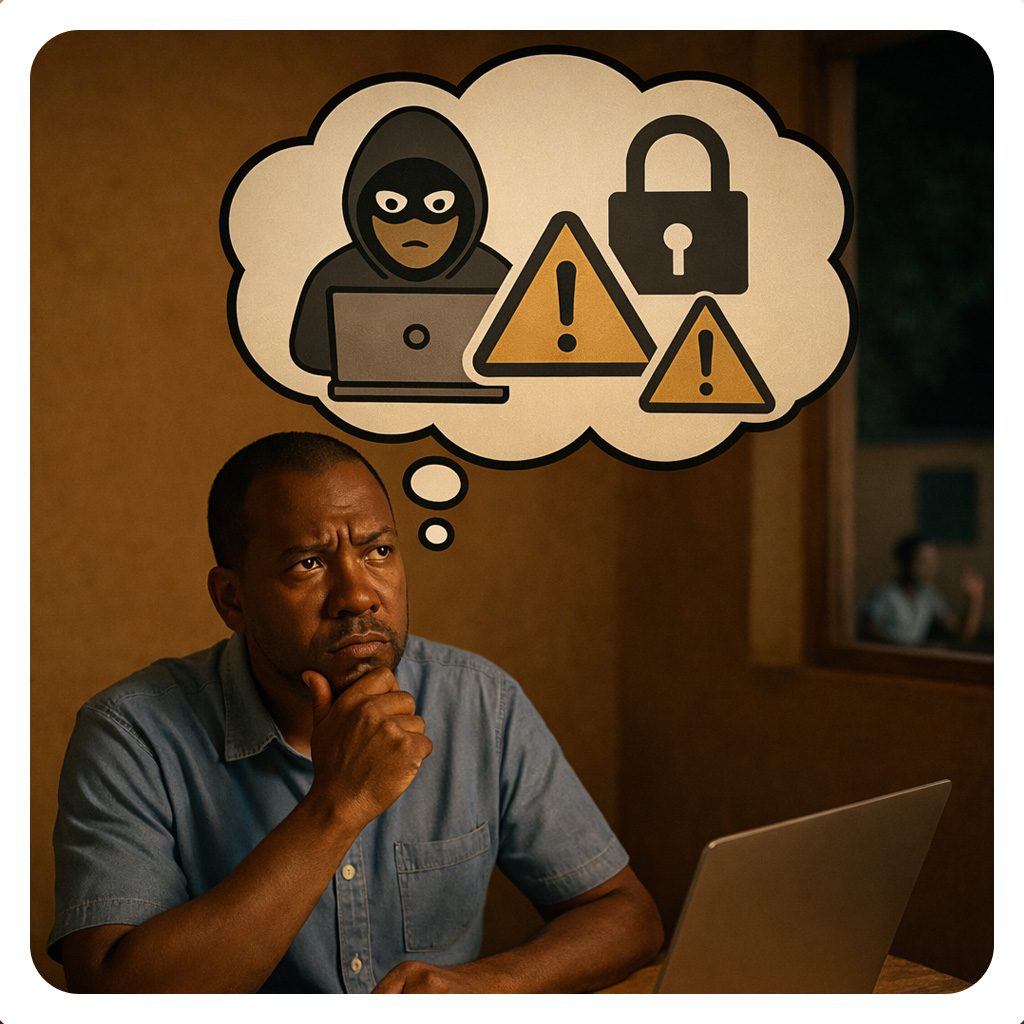
Prioritizing internet safety, cybersecurity, and digital citizenship is essential for protecting your learners, fostering responsible online behavior, and creating a secure digital learning environment in today's connected world. When you model and teach these critical competencies, you empower your students to navigate digital spaces confidently, ethically, and safely. Recent national documents, such as the National Digital Education Strategy Guidelines for Schools and Teacher Colleges, National AI Guidelines in Education, and Education and Training Policy 2014, 2023 Edition, emphasize the importance of integrating cybersecurity awareness and digital citizenship education into teaching practice. In this Unit, you will describe the concept of internet safety and cybercrime, analyse the legal framework on cybercrime in Tanzania, evaluate strategies to ensure online safety, and promote digital citizenship in education. By the end of this Unit, you will feel more confident guiding your school community toward safer, more responsible technology use and responding effectively to digital risks. This Unit is designed to support you as a proactive educator who champions digital wellbeing and ethical practice to build a safer, more resilient education ecosystem in Tanzania.
Unit Competencies
By the end of this Unit, you should be able to:

Recommended Time: 2 hours
Introduction
As Tanzanian schools increase their use of digital tools, it is essential for both teachers and students to understand internet safety and the basics of cybercrime. Internet safety involves practising responsible and cautious behaviour online, such as protecting personal information, using strong passwords, avoiding harmful websites, and being respectful in digital communication. Cybercrime refers to illegal activities carried out using computers or the internet, including identity theft, online scams, hacking, and the spread of harmful or abusive content. Teachers play a key role in modelling safe online behaviour and guiding students to recognise risks such as suspicious links, fake profiles, or cyberbullying so they can use technology confidently and responsibly. By promoting awareness and safe digital habits, schools help create a secure learning environment and protect both learners and staff from potential online threats.
Lesson Outcomes
By the end of this lesson, you will be able to:
Internet safety is the act of securing your private information and property on the internet to ensure that it is protected from criminals. Since your computer and other devices including mobile devices are continuously connected to the internet, reasonable security measures should be in place to safeguard from accidental and/or malicious activities of criminals.
Read Resource 1 to get a wider understanding of Internet Safety.
Common forms of Cybercrime
With more people depending on the internet for various social-economic activities such as communication, banking, shopping, and education, cybercrime has become a major threat to personal privacy, financial security, and safety. Read Resource 2 to learn more and summarize into a paragraph.
Try this short quiz to test your understanding
Introduction
Teachers and students should also be familiar with the legal framework on cybercrime in Tanzania, which outlines the responsibilities and protections for all citizens using digital technologies. The Cybercrimes Act of 2015 in Tanzania is a crucial legal framework that teachers and students should understand to ensure responsible use of digital technologies. This law addresses offences such as online fraud, identity theft, data misuse, child exploitation, cyberbullying, and the unauthorised access or destruction of digital information. It empowers authorities to investigate and prosecute misuse of digital systems. For schools, this means encouraging lawful and ethical technology use, educating learners about their online rights and responsibilities, and making sure staff are aware of the consequences of improper digital conduct. Awareness of this law helps foster a safer digital environment and promotes responsible ICT practices within the entire school community.
Lesson Outcome
By the end of this lesson, you should be able to:
What is the legal position here in Tanzania in terms of cybercrime and your protection? We have many policies relating to cybercrime. Read Resource 3 to learn more.
After reading resource 3 and resource 4, let's take quiz 2 to assess what you have learn.

Introduction
To ensure safe and responsible use of digital tools in schools, teachers and students need practical strategies for online safety that they can apply every day. These include using strong and unique passwords, keeping devices and software updated, and being cautious when clicking on links or downloading files. Students should be taught to protect their personal information, avoid sharing passwords, and report any suspicious or harmful online behaviour to a trusted adult. Schools can also establish clear digital use policies, promote respectful online communication, and use filtering or monitoring tools where appropriate. By combining good habits, awareness, and supportive school policies, teachers can create an online environment where learners explore and work confidently while minimising risks.
Lesson outcomes
By the end of this lesson learners will be able to:
You are now aware of Internet Security and Cybercrime. Now it’s time to apply your knowledge to real-life by responding to the following scenario. You are a teacher in a Tanzanian secondary school that has recently introduced digital learning using school tablets and access to online platforms. Read the following scenario carefully, then post your response in the forum. After posting, read at least two other teachers’ posts and reply with constructive feedback or alternative suggestions.
Access the forum below.
Instructions
Read Resource 8 to get a deeper understanding of digital citizenship.
The document (Resource 9) and video (Resource 10) describe the concept of Digital Citizenship. Read, and watch, carefully and respond to the questions that follow.
Attempt Quiz 3 to understand how to promote digital citizenship in education.
At this point, you have covered how to describe the concept of internet safety and cybercrime, analyse the legal framework on cybercrime in Tanzania, evaluate strategies to ensure online safety, and promote digital citizenship in education. It is now time to engage in discussions with other teachers and share how you are fostering safe, ethical, and responsible digital practices in your school community. Click on the Discussion Forum below and read the instructions carefully. Click on "Reply" and post your answers based on your learning and classroom experience. Once you have shared your post, please read contributions from your fellow educators and reply to at least two posts to exchange ideas, practical strategies, and reflections on building a culture of digital wellbeing. Your participation helps us build a stronger community of practice and promotes safer, more responsible technology use across our schools.
Access the Unit 15 Discussion forum below.It is time to assess your competence after learning this Unit. Take a quick, friendly quiz to see how well you can describe internet safety and cybercrime, analyse Tanzania's legal framework, evaluate online safety strategies, and promote digital citizenship in education!

In this Unit, you covered the concepts of internet safety and cybercrime and why they matter for educators and learners in Tanzania. You engaged in learning activities and participated in the discussion forum to share what you learned about analysing the legal framework on cybercrime in Tanzania. You also practiced evaluating strategies to ensure online safety and explored practical ways to promote digital citizenship in your educational setting. By examining these critical topics, you now have practical strategies to protect yourself and your students while fostering responsible digital behaviour.
You have done wonderful work building your confidence in navigating internet safety, cybersecurity, and digital citizenship issues. Now that you can analyse legal frameworks and evaluate safety strategies, you are ready to create a safer, more responsible digital learning environment for your school community. Keep sharing your knowledge with colleagues and students to build a culture of ethical and secure technology use across your institution. Congratulations on completing this unit and becoming a proactive guardian of digital wellbeing in education.
References:

Internet Safety, Cybersecurity and Digital Citizenship by Tanzanian Ministry of Education Science, and Technology is licensed under a Creative Commons Attribution-ShareAlike 4.0 International License.