Module 1 Unit 2
Objective: Enable MoE staff and partners to confidently calculate, interpret, distinguish and use EiE indicators in order to deliver subnational EiE training
Unit 2: Access & Participation
|
|
|
|---|
Objective: Enable MoE staff and partners to confidently calculate, interpret, distinguish and use EiE indicators in order to deliver subnational EiE training
Unit 2: Access & Participation
|
|
|
|---|
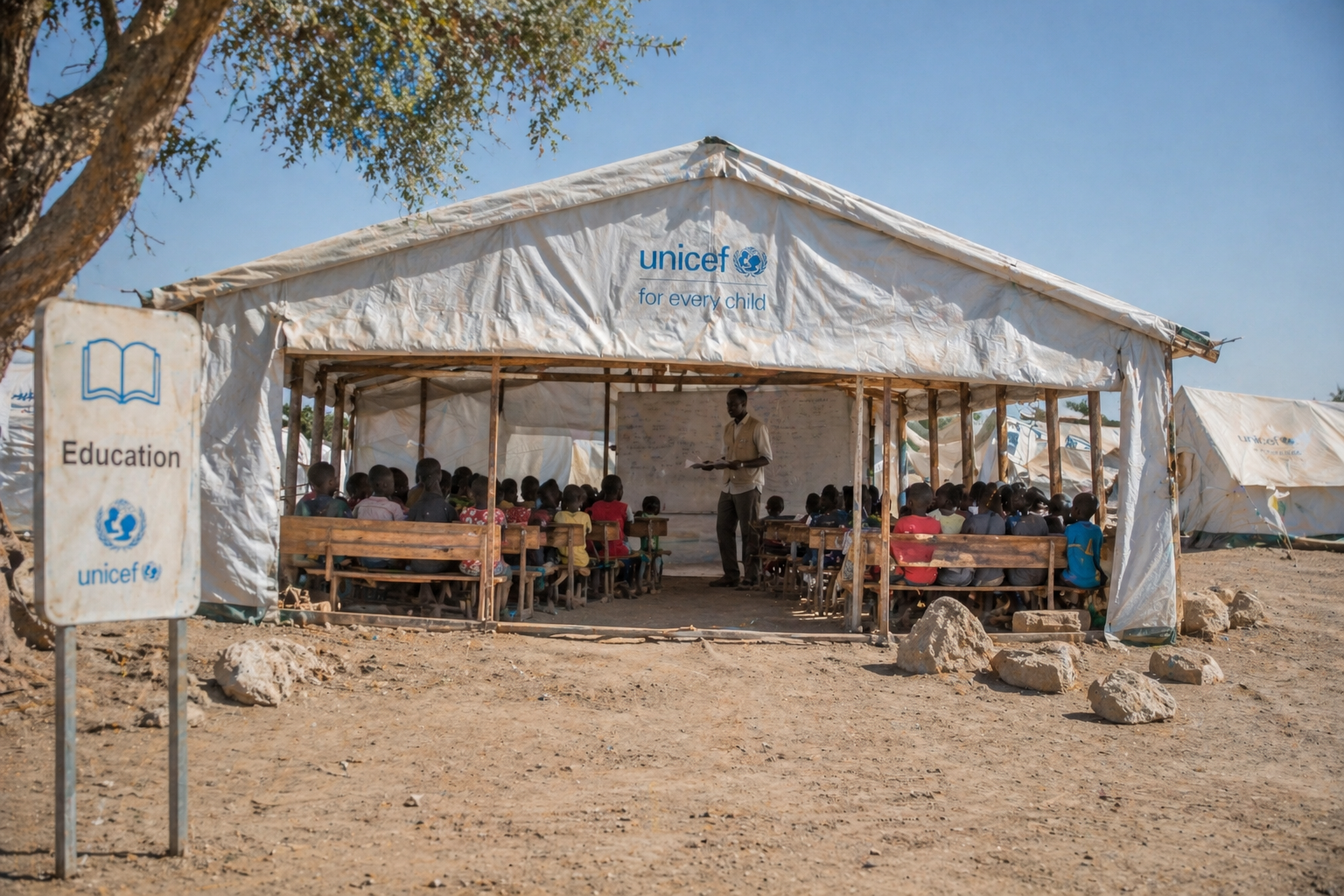
Access and participation indicators help us understand whether children affected by crisis are able to enter, remain in, and benefit from education. In emergency settings such as refugee camps and displacement-affected communities in South Sudan, these indicators provide a clear picture of who is accessing learning opportunities, who is being left behind, and what barriers may be limiting participation.
By examining enrolment, out-of-school children, access to schools and temporary learning spaces, as well as attendance, survival, completion, dropout, and school feeding participation, this module builds the foundation for understanding how inclusive, stable, and responsive education provision is in times of crisis.
Access and participation capture whether crisis-affected children can enter, attend, and engage in education.
What ACCESS measures, in both formal and non-formal education?
ACCESS indicators
These indicators tell us: Are children ENTERING the system, in both formal or non-formal?
What PARTICIPATION measures, in both formal and non-formal education?
PARTICIPATION indicators
These indicators tell us: Are children STAYING and PROGRESSING?
Why does it matter?
Access without participation = children enroll but are not attending or dropping out quickly.
Together, access + participation provide a complete picture of: