An Introduction
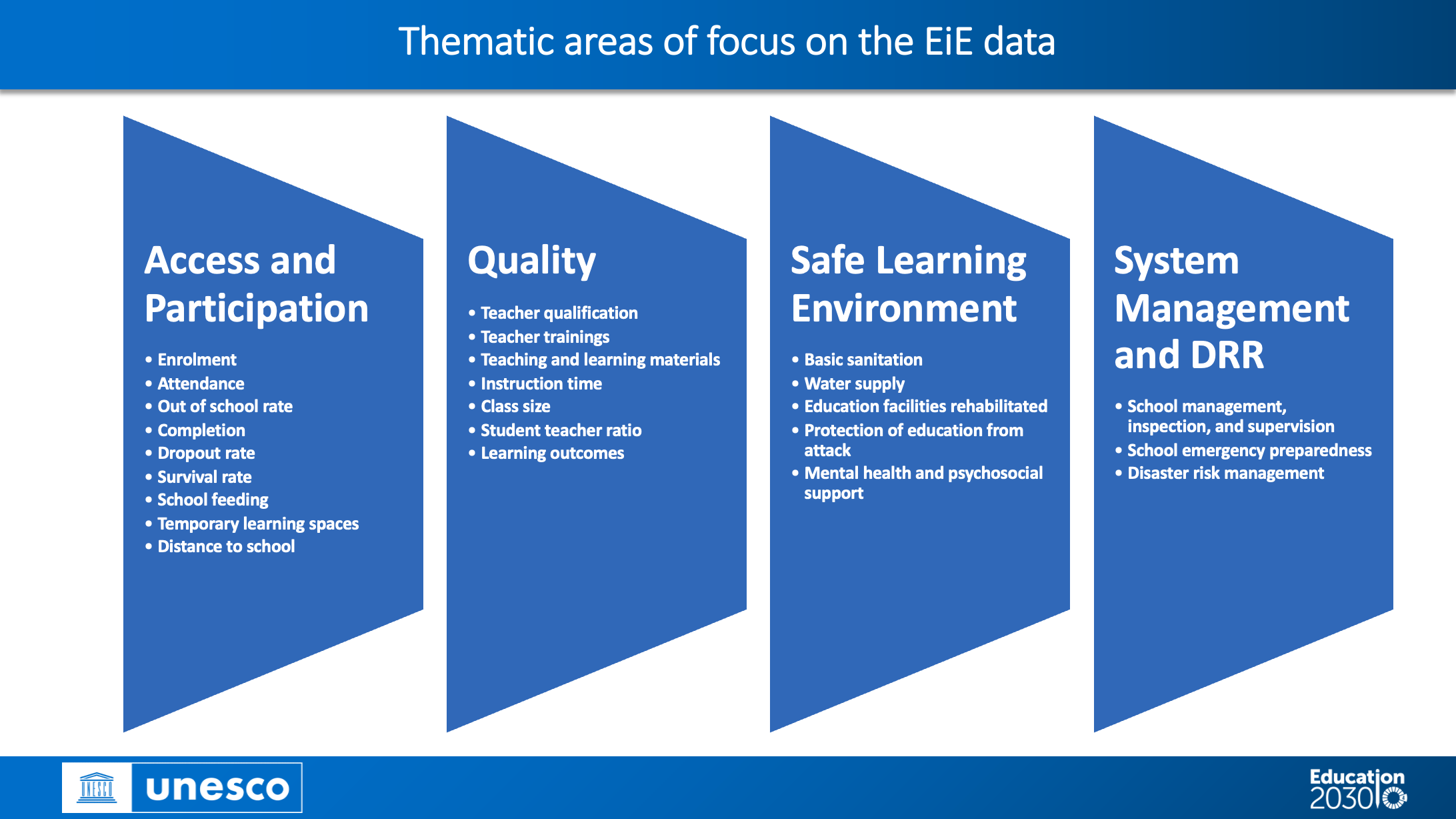
 In South Sudan, education data is never just about numbers. In refugee settlements and emergency-affected communities, every figure collected represents a child whose learning has been disrupted by conflict, displacement, hunger, flooding, or loss. These children are among the most vulnerable in the country, yet they are also central to South Sudan’s future. Education in Emergencies (EiE) data helps us understand whether children are able to access learning, whether they are safe in school, whether teaching is effective, and whether education systems are strong enough to respond in times of crisis. Without reliable EiE data, the needs of these children remain invisible, and planning becomes guesswork.
South Sudan faces one of the world’s most severe education emergencies. Millions of children remain out of school, and many more are learning in overcrowded classrooms, temporary spaces, or unsafe conditions with limited resources. In refugee camps and host communities, education services must respond not only to immediate need, but also to constant change as populations move, crises evolve, and pressure on schools increases. EiE data allows the Ministry of General Education and Instruction and its partners to see these changes clearly, identify the greatest gaps, and respond with evidence. It helps decision-makers move beyond assumptions and direct resources where they are needed most—whether that means more teachers, safer classrooms, better learning materials, or stronger systems to support continuity in education.
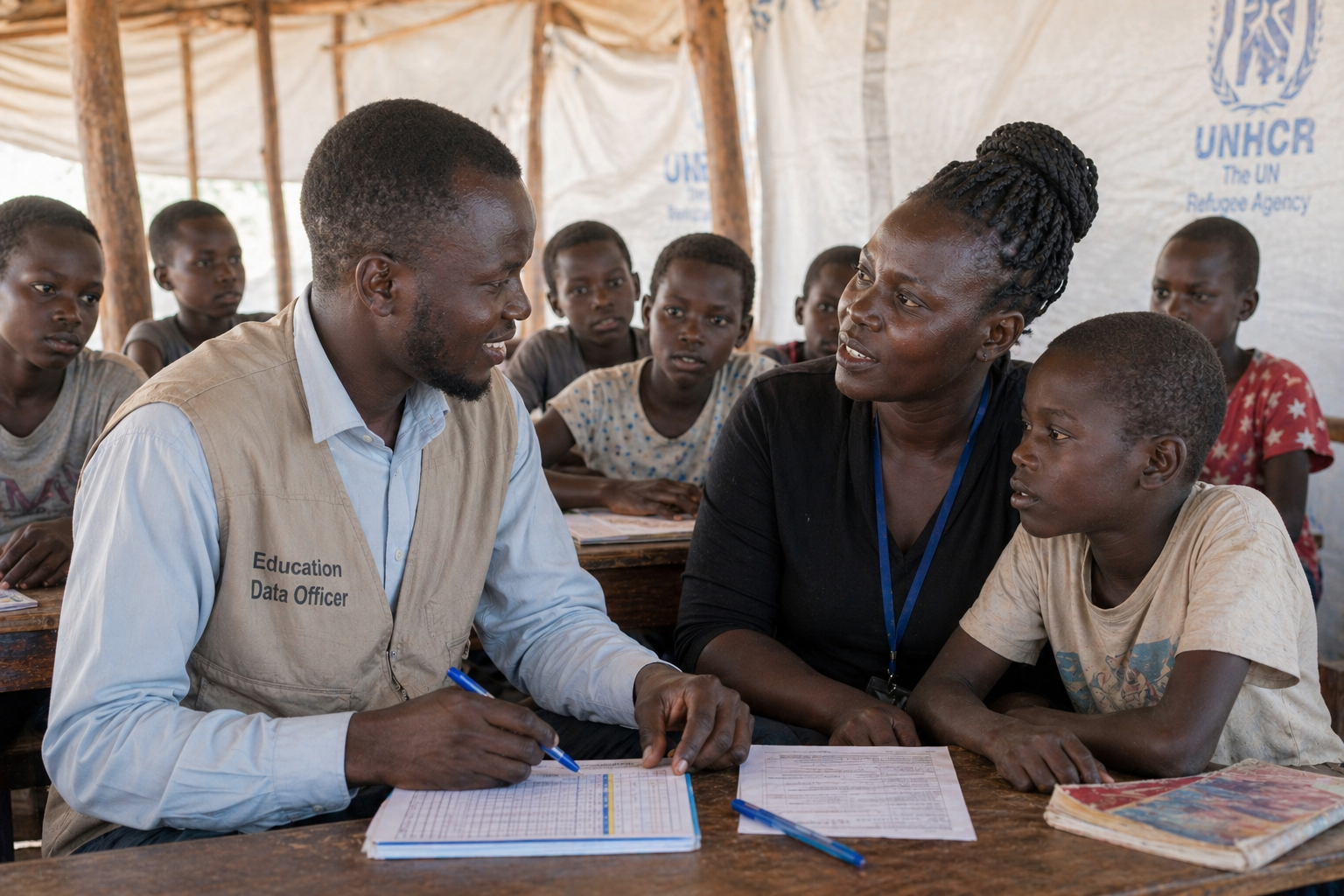
For data officers, collecting EiE data is therefore a practical and strategic responsibility. It is the foundation for sound planning, effective response, and accountable decision-making in some of the most difficult learning environments in the country. By understanding how EiE indicators are defined, calculated, interpreted, and used, data officers become more than data collectors—they become essential contributors to improving education for children in crisis. Their role is not only to produce accurate information, but also to ensure that this information can be used confidently by others through training, coordination, and action at national and subnational levels.